Whitewood Vs Douglas Fir: Which is Better for Your Woodworking Project?
When it comes to woodworking, choosing the right type of wood can make all the difference in the quality of your finished product. Two popular options are Whitewood and Douglas Fir, but which one is better? In this article, we will compare the two types of wood and provide you with the information you need to make an informed decision.
Section 1: What is Whitewood?
Whitewood is a term used to describe any type of softwood that comes from a coniferous tree, usually spruce or pine. It is often used in construction and furniture making due to its availability and affordability. Whitewood has a pale color and a relatively straight grain pattern, making it easy to work with.
There are several different types of Whitewood, including European Spruce, Sitka Spruce, and White Pine. European Spruce is known for its uniform density and fine texture, while Sitka Spruce is lightweight and strong. White Pine is a softer wood that is often used for decorative purposes.
Section 2: What is Douglas Fir?
Douglas Fir is another type of softwood that is commonly used in construction and woodworking. It is native to western North America and is known for its strength and durability. Douglas Fir has a reddish-brown color and a distinctive grain pattern that makes it a popular choice for furniture and flooring.
One of the benefits of using Douglas Fir is that it is resistant to rot and decay, making it ideal for outdoor projects. It is also a relatively dense wood, which means it can hold up well under heavy use.
Section 3: Strength and Durability
When it comes to strength and durability, Douglas Fir has the edge over Whitewood. While both woods are considered softwoods, Douglas Fir is denser and stronger, making it a better choice for projects that require a high level of durability.
Section 4: Appearance
When it comes to appearance, both Whitewood and Douglas Fir have their own unique characteristics. Whitewood has a pale color and a straight grain pattern, which can make it look slightly bland. Douglas Fir, on the other hand, has a reddish-brown color and a distinctive grain pattern that gives it a more rustic and natural look.
Section 5: Workability
Both Whitewood and Douglas Fir are relatively easy to work with, but they do have some differences. Whitewood is softer than Douglas Fir, which means it can be easier to carve and shape. However, this also means that it may not hold up as well under heavy use.
Douglas Fir is harder and denser, which means it can be more difficult to work with. However, it is also more durable and can hold up better over time.
Section 6: Cost
One of the main advantages of using Whitewood is its affordability. It is often less expensive than other types of wood, making it a popular choice for budget-conscious DIYers and professionals alike.
Douglas Fir, on the other hand, is typically more expensive than Whitewood due to its strength and durability. However, it is still considered a relatively affordable option when compared to other hardwoods.
Section 7: Availability
Both Whitewood and Douglas Fir are widely available, especially in North America and Europe. However, the specific type of wood you need may not be available in your area, so it's important to check with local suppliers before ing your project.
Section 8: Sustainability
When it comes to sustainability, both Whitewood and Douglas Fir are considered renewable resources. However, there are some concerns about the environmental impact of logging practices in certain areas.
If sustainability is a concern for you, it's important to look for wood that is certified by organizations such as the Forest Stewardship Council (FSC) or the Sustainable Forestry Initiative (SFI).
Section 9: Applications
Both Whitewood and Douglas Fir can be used for a variety of woodworking projects, including furniture, cabinetry, flooring, and more. However, each type of wood has its own strengths and weaknesses when it comes to specific applications.
For example, Whitewood may be a better choice for decorative projects or projects that require intricate carving, while Douglas Fir may be a better choice for outdoor projects or projects that require a high level of durability.
Section 10: Maintenance
Both Whitewood and Douglas Fir require some degree of maintenance to keep them looking their best. Whitewood may need to be stained or sealed to protect it from moisture and sun damage, while Douglas Fir may need to be treated with a preservative to prevent rot and decay.
It's important to follow the manufacturer's recommendations for maintenance and care, as improper treatment can lead to damage or deterioration over time.
Section 11: Compatibility with Other Materials
When choosing a type of wood for your project, it's also important to consider how it will work with other materials. For example, if you plan on using metal hardware or fasteners, you may need to choose a wood that is compatible with these materials.
Whitewood and Douglas Fir are both compatible with most types of hardware and fasteners, but it's always a good idea to check with the manufacturer before making your final decision.
Section 12: Pros and Cons of Whitewood
Pros:
- Affordable
- Easy to work with
- Available in a variety of types
Cons:
- May not hold up well under heavy use
- Can look bland or uninteresting
Section 13: Pros and Cons of Douglas Fir
Pros:
- Strong and durable
- Resistant to rot and decay
- Beautiful natural grain pattern
Cons:
- More expensive than Whitewood
- Can be difficult to work with
Section 14: Which One Should You Choose?
Choosing between Whitewood and Douglas Fir ultimately comes down to your specific needs and preferences. If you're looking for an affordable and easy-to-work-with wood, Whitewood may be the best choice for you.
If you need a wood that can hold up well under heavy use or outdoor conditions, Douglas Fir may be the better option. It's also worth considering the appearance of each type of wood, as well as their compatibility with other materials and their sustainability.
Section 15:
In conclusion, both Whitewood and Douglas Fir are popular choices for woodworking projects. While they have some similarities, there are also important differences to consider when choosing between the two.
Ultimately, the best choice for you will depend on your specific needs and preferences. We hope this article has provided you with the information you need to make an informed decision.
Frequently Asked Questions
1. What is the difference between Whitewood and Douglas Fir?
Whitewood is a term used to describe any type of softwood that comes from a coniferous tree, usually spruce or pine. Douglas Fir is another type of softwood that is native to western North America and is known for its strength and durability.
2. Which wood is stronger, Whitewood or Douglas Fir?
Douglas Fir is denser and stronger than Whitewood, making it a better choice for projects that require a high level of durability.
3. Is Whitewood more affordable than Douglas Fir?
Yes, Whitewood is typically less expensive than Douglas Fir due to its availability and ease of production.
4. Which wood is better for outdoor projects, Whitewood or Douglas Fir?
Douglas Fir is a better choice for outdoor projects due to its resistance to rot and decay.
5. Are Whitewood and Douglas Fir sustainable resources?
Both Whitewood and Douglas Fir are considered renewable resources, but there are some concerns about the environmental impact of logging practices in certain areas.
6. Which wood is easier to work with, Whitewood or Douglas Fir?
Whitewood is softer than Douglas Fir, which means it can be easier to carve and shape. However, this also means that it may not hold up as well under heavy use.
7. Can Whitewood and Douglas Fir be used for the same types of projects?
Yes, both Whitewood and Douglas Fir can be used for a variety of woodworking projects, including furniture, cabinetry, flooring, and more.
8. Do Whitewood and Douglas Fir require maintenance?
Yes, both types of wood require some degree of maintenance to keep them looking their best. This may include staining, sealing, or treating with a preservative.
9. Are Whitewood and Douglas Fir compatible with other materials?
Both Whitewood and Douglas Fir are generally compatible with most types of hardware and fasteners, but it's always a good idea to check with the manufacturer before making your final decision.
10. Which wood should I choose for my project, Whitewood or Douglas Fir?
The best choice for your project will depend on your specific needs and preferences. Consider factors such as strength, durability, appearance, and compatibility with other materials when making your decision.
10 Whitewood vs douglas fir Images

Pin On Siberian Fir

How 6 Different Stains Look On 5 Popular Types Of Wood Staining Wood

Emerging Issues With Western Hemlock And Douglasfir Douglas Fir

Firflooringprefinishcolorswithnames Douglas Fir Wood Interior

Fir Vs Spruce Vs Pine How To Tell Them Apart FineGardening White
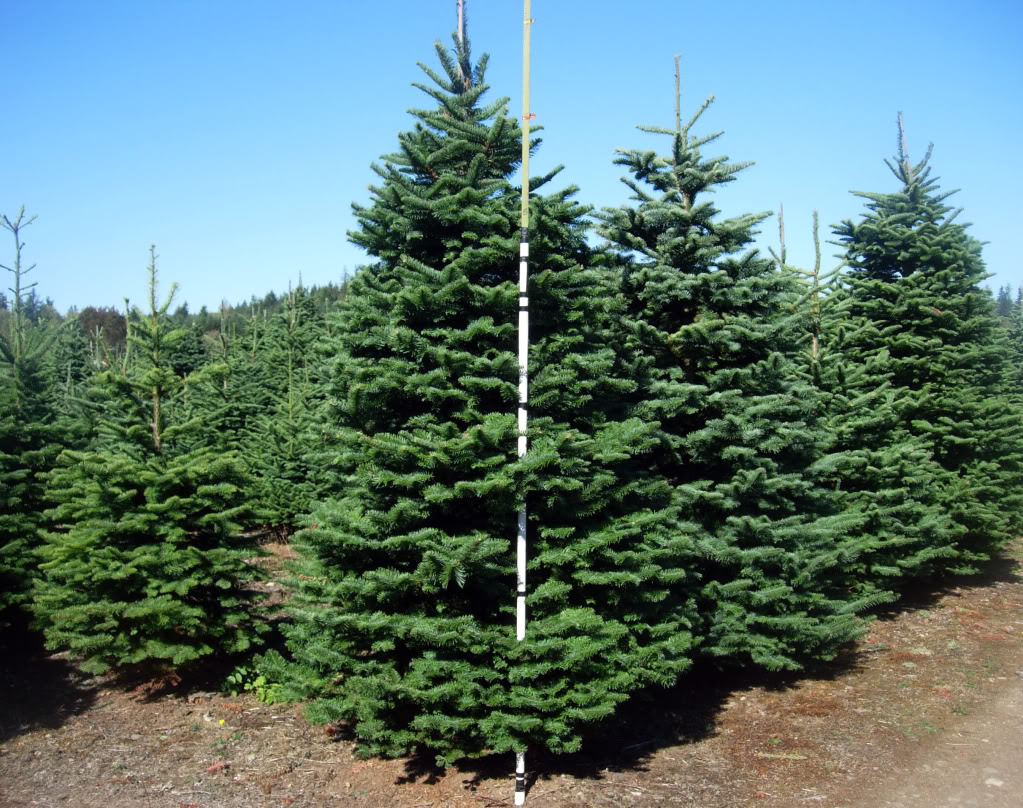
Douglas Fir Trees My Favorite Kind Of Christmas Tree Beautiful Tree

Alexandria Moulding Douglas Fir S4SE4E Mixed Grain Board Common 1 In

Silver Tip Spruce Cary Really Should Have Purchased One Of These

Hemlock Redcedar Douglas Fir Western Red Cedar Tree Cedar Tree

Lumber Grades Google Search
Post a Comment for "Whitewood Vs Douglas Fir: Which is Better for Your Woodworking Project?"